A confident headline can become outdated before the teamsheet appears.
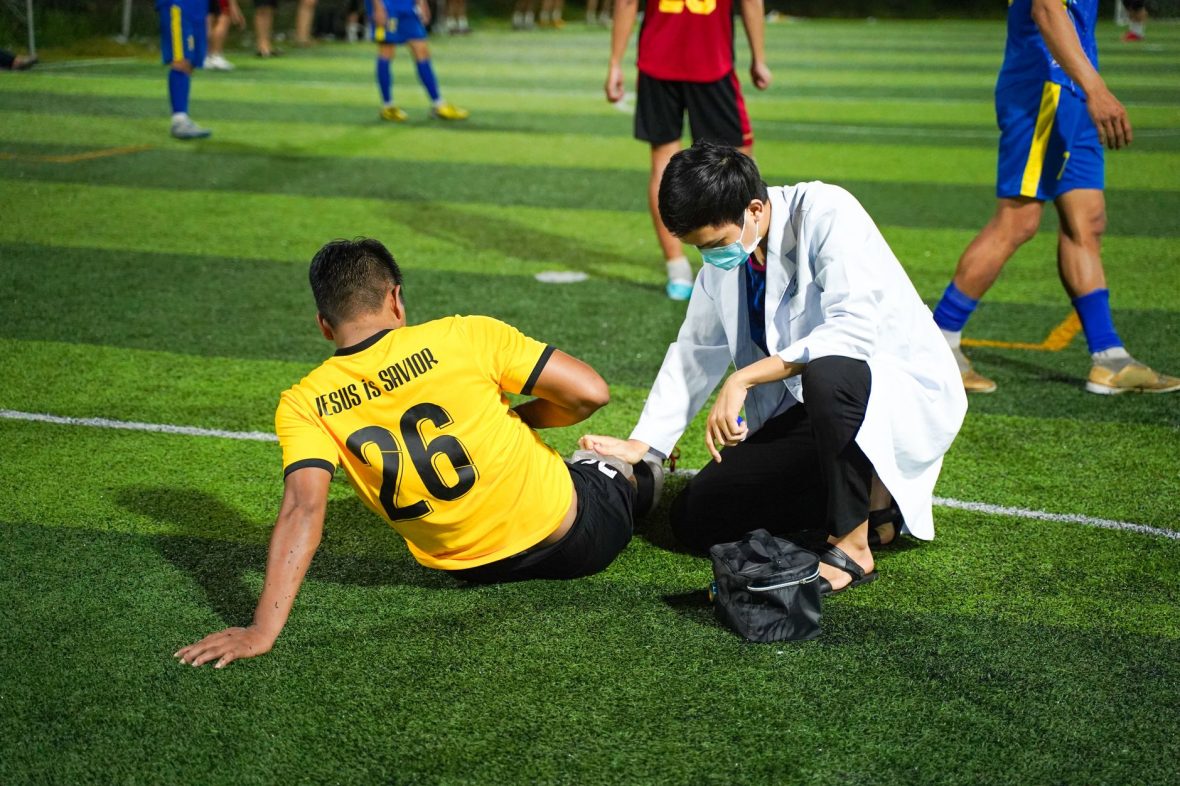
A player is declared “available” on Friday, misses training on Saturday, and is absent at kickoff on Sunday. Nothing necessarily went wrong with the original report: it described the situation at that moment, using the information then available.
Top Free Bets for October
BetUS
200% up to $1,000
18+. Full T&C's apply. Sports bonus: 100% match up to $500. Casino bonus: 100% match up to $500. Enter promo code NEW200 at deposit and get up to a $1000 bonus. Valid on your first three (3) deposits. Available for all deposit methods. Minimum deposit of $50.
18+. Full terms apply. The Bet Back Bonus is available for new customers on first-time deposits of $50 or more. To redeem, select the offer in the cashier while completing your first deposit. Make your pick(s) in the Sportsbook and then select ‘Opt In to Use Your Bonus’. A Bet Back Bonus pop-up will display, select ‘Claim’ and then enter the risk amount to place your bet. If it wins, you keep your profits. If it loses, get 100% of your risk refunded as Free Play with only 1-time rollover. Free Play can then be used to place bets in the Sportsbook and earn cash. Additional T&Cs apply, please visit MyBookie to access the Help Center or contact Live Chat for more details.
18+. Full T&C's apply. This promotion is available only to new accounts in North America. Freeplay amount must be wagered five times (5x rollover) before it becomes eligible for withdrawal. Only prematch (sportsbook) bets count toward the 5x rollover requirement. Each person may claim only one bonus. If a customer creates multiple accounts to exploit this promotion, bet105 will mark all related accounts as ineligible and reclaim the funds. If a client receives more than two free bets without making a deposit, any winnings from those bets will be forfeited. This promotion applies only to the initial deposit or if specifically assigned by bet105.
18+. Full terms apply. New BUSR members only. Minimum deposit of $50 required per qualifying deposits. Codes 300SB1, 300SB2, and 300SB3 must be entered at the time of each corresponding deposit.
Each code is valid one time only. Each bonus code must be claimed at least 24 hours apart. Only one promo code may be applied per deposit. A 20x rollover requirement applies to the combined total of your initial deposit and bonus before any withdrawal can be made. Redeemable in the Sportsbook only. BUSR management reserves the right to modify, suspend, or cancel this promotion at any time. Redeem each promo code in the cashier to get your bonus. Must be 18 or older. Please gamble responsibly. General House Rules Apply.
18+. Full terms apply. 100% up to $500 Bonus. Valid for non-crypto payment methods only. Minimum deposit amount $50. This offer is not available to customers from Canada or Mexico. The bonus code must be redeemed immediately after the deposit and before a wager has been placed. The sum of the deposit and the bonus are subject to rollover requirements of 12x at min. odds of -200 (1.5) before a new code can be redeemed. Max. $500 of each bet count towards the rollover requirements. Only bets placed on options that take place count towards the rollover requirements. Wagers on Horse Racing and Boosted Odds do not count towards the rollover requirements. All general Everygame Sportsbook rules apply.
21+. Full T&C's apply. Bonus: 35% of qualifying deposit, up to $105. Rollover: 8× (only sports action counts towards the rollover) deposit + bonus. Expiry: 7 days after credit. Hold period: 2 weeks. Payouts allowed only after rollover and hold period are completed. Example: Deposit $200 → Receive $50 Sports Free Play. Sports Free Play Rules: see the BetAnything General Reward Rules for eligible sports, wager types, odds, and rollover rules.
18+. Full T&C's apply. This bonus can only be redeemed on your first deposit. Rollover is 5x Sports/5x Horses/30x Casino on both the initial deposit and the bonus amount. Rollover in our Sportsbook, for winning wagers, will be determined by the lesser of your risk or win amount at the time of wager settlement; for losing wagers your risk amount will be credited to your rollover contribution. Bonus funds cannot be used for play on Live Dealer games. Live Dealer play does not count toward meeting Casino rollover requirements for withdrawal. If a withdrawal is made before the bonus terms are met, all bonus funds as well as any money earned by wagering the bonus will be forfeited.
Labels such as fit, doubtful, and ruled out can sound final, but late fitness tests, fresh discomfort, illness, tactical selection, or a problem during the warm-up may change the outcome. “Available” may only mean eligible for selection—not certain to start or even make the squad. Suspension reports are usually clearer, although appeals and administrative decisions can still alter dates. The publication time and source therefore matter as much as the wording; the closer an update is to kickoff, the more useful it tends to be, but only the official lineup confirms participation.
Start with the reason for absence
Different causes follow different timelines back into contention.
A missing player is not automatically injured. The first useful step is to identify the type of absence, using club updates, competition records, press conferences, and reliable local reporting.
Medical: Injuries and illness depend on recovery, rehabilitation, and fitness tests. Reported return dates are usually estimates.
Disciplinary: Suspensions normally end after a fixed number of eligible matches, although appeals or competition-specific rules can alter the count.
International duty: Return depends on the national team’s schedule, travel, and recovery time. Late arrivals may still miss the next club match.
Personal reasons: Timelines are often private and should not be guessed from limited information.
Eligibility: Registration issues, work permits, loan restrictions, or cup rules may make a player unavailable only in certain competitions.
Rest or workload management: Availability can resume immediately, but another rest may follow during a crowded schedule.
Tactical omission: A fit player may simply be left out. The route back depends on selection, form, and the manager’s plan.
Only after the category is clear does a return estimate become meaningful.
Team-news language
What common availability labels usually mean
Knock
An informal description of a minor or not-yet-defined problem, often caused by contact. It may clear quickly, but the player can remain under assessment until close to kick-off.
Doubtful
The player’s involvement is uncertain rather than impossible. Clubs and reporters apply the label differently, so it should not be treated as a fixed probability.
Late fitness test
Medical and coaching staff plan to assess the player near the match, sometimes on game day. The decision may depend on pain, movement, reaction to training, and the risk of aggravation.
Ruled out
The player is not expected to take part in the specified match. The wording is stronger than “doubtful,” although it does not establish a return date for later fixtures.
Fit or available
The player can be considered for selection, but that does not guarantee a start or substantial minutes. Fitness, match sharpness, and tactical selection are separate questions.
A forecast becomes useful only when its medical and training assumptions are clear.
An estimated return should identify what the player is expected to return to: individual running, full training, squad selection, or match minutes. “Back in two weeks” means little without that milestone. Confidence is usually higher when the player has completed objective tests and repeated demanding sessions without symptoms.
Different injuries produce different forecasting signals:
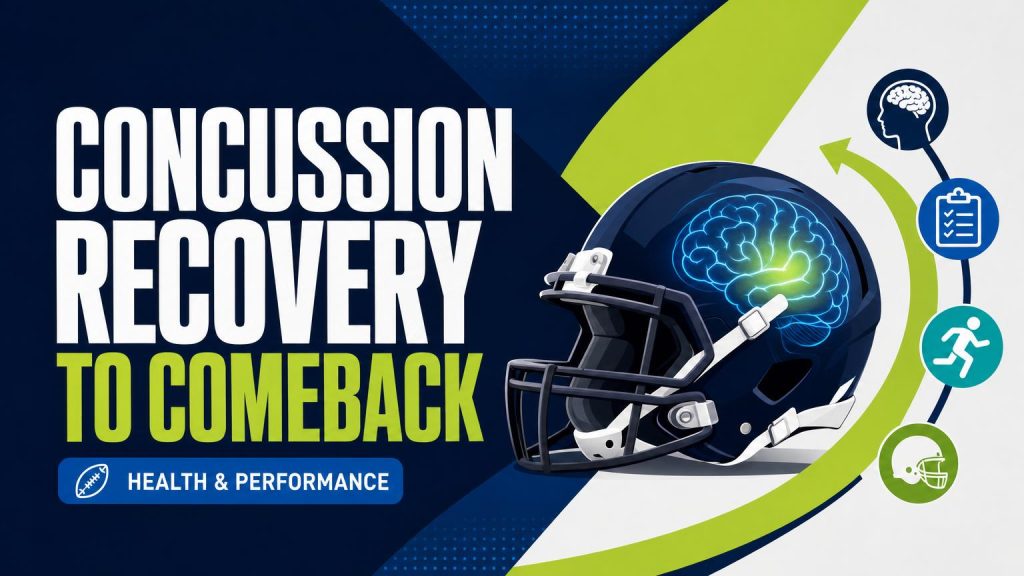
Concussion: symptoms drive progression through staged activity. A symptom-free day is encouraging, but symptoms returning after exertion can pause or reverse progress.
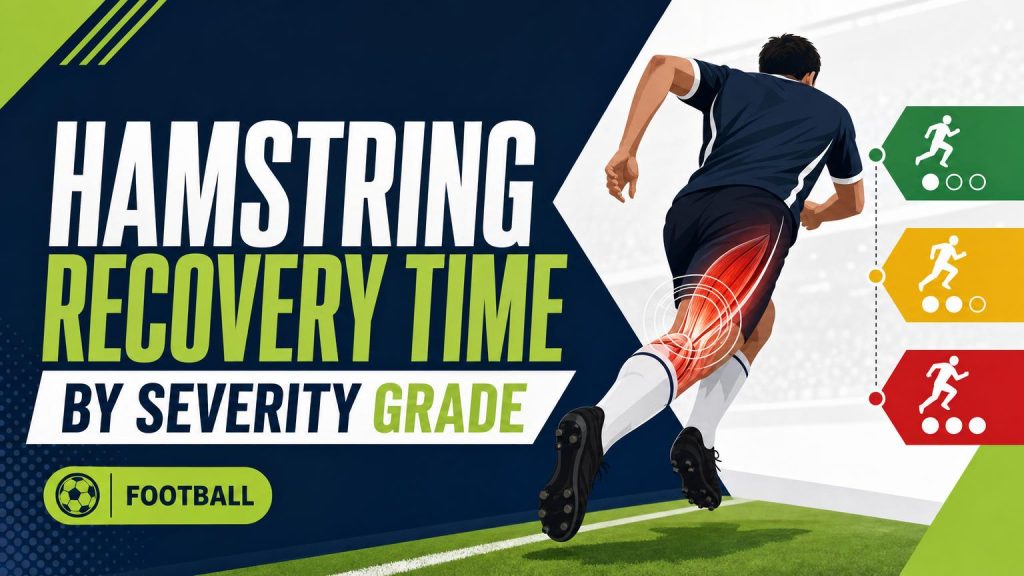
Hamstring injury: strength, sprinting and change-of-direction work matter. A player may run comfortably before tolerating maximum-speed actions, where the muscle faces greater strain.
ACL injury: the pathway is measured in months, not weeks. Healing, strength symmetry, movement tests, confidence and sustained team training all influence clearance.
Forecasts should therefore be updated after each meaningful checkpoint. A scan may refine the diagnosis; a failed sprint test may delay a hamstring return; swelling after increased workload may slow ACL rehabilitation. Setbacks do not always mean a fresh injury, but they reduce confidence in the original date.
Practical rule
Attach a confidence level
Treat dates based only on an early diagnosis as low confidence. Dates supported by full training and workload tolerance deserve more confidence, although selection still remains uncertain.
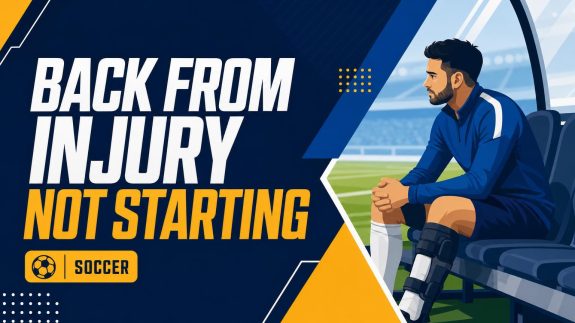
Medical clearance only means the injury has healed enough for football activity. It does not guarantee match fitness, a full workload, a place in the starting XI, or even an appearance from the bench.
A typical return progresses through several stages:
individual rehabilitation and conditioning
partial, then full, team training
selection on the bench
controlled substitute minutes
longer appearances or a first start
unrestricted selection
Progress is not always linear. A player may remain at one stage after soreness, fatigue, or an unfavourable response to increased training. Previous reinjury, especially with muscle problems, can make medical and coaching staff more cautious.
Expected minutes and starting probability also depend on context. During a congested schedule, minutes may be spread across several matches rather than risked in one long appearance. Workload data, recovery time, match intensity, and the importance of upcoming fixtures can all shape the plan.
There is also a football decision to make. A fit replacement may be performing well, or the returning player may not suit the current tactic. These are common reasons why a player returns from injury but does not start. Full training therefore improves availability, but only unrestricted selection removes most return-related limits.
Suspensions
How to calculate the return match
01
Record the offence and competition
Note the card, match date and tournament. For accumulated yellows, confirm the running total and whether a seasonal cutoff or reset had already passed.
02
Check that season’s official rules
Thresholds and automatic bans can change by association, competition and season. A red card’s punishment may also depend on the offence and any later disciplinary decision.
03
Confirm the ban’s starting point and length
Use the governing body’s ruling rather than a news headline. A dismissal removes the player from the current match; the stated suspension normally concerns later eligible fixtures.
04
List only fixtures that can serve the ban
Work forward chronologically, checking whether league, domestic cup, European or international matches count. Cross-competition enforcement is not universal.
05
Count completed eligible matches
Mark off each qualifying fixture until the full ban is served. Postponements, abandoned games, appeals and extensions can alter the count, so the relevant rule must be checked.
06
Name the next eligible match
The return date is the first qualifying fixture after the final match served—not necessarily the next match on the club’s overall schedule. Recheck official notices before kickoff.
Official disciplinary decisions take priority over fixture lists and media estimates.
Yes. The final disciplinary ruling may cancel, reduce, uphold or extend the ban, so early return dates remain provisional.
Does a postponed fixture count toward a suspension?
Usually not simply because it appeared on the schedule. The rearranged match counts only when it is played and qualifies under the relevant competition rules.
Why can a suspension outlast its expected calendar dates?
Bans are generally served through eligible completed matches, not days or weeks. Postponements, abandoned games and competition boundaries can therefore shift the return.
Can an international suspension affect club selection?
International and club sanctions are often separate, but the exact scope depends on the governing body’s decision. The final ruling should identify which teams, competitions and fixtures are covered.
Source hierarchy
Match each question to the right source
Availability information is only as reliable as its source and timestamp. A fresh article may recycle an older press-conference quote, so both the publication time and the time of the original statement matter.
Question
Best authority
Check again
Is the player injured?
Club medical update or manager’s press conference
After training and the final pre-match briefing
Is a suspension active?
Competition organiser or governing body
After rulings, appeals or fixture changes
Is the player eligible?
Official competition, federation or club registration notice
When squads or registrations are updated
Will the player start?
Official match lineup
Usually 60–75 minutes before kick-off
Fast player-availability alert apps are useful monitoring tools, but notifications are leads rather than confirmation. Each alert should be traced to its named source; screenshots, reposts and untimed summaries can hide changed circumstances.
On match day, the announced lineup is the final evidence of starting status. Even then, warm-up injuries or late administrative changes can still produce a replacement before kick-off.
Match-day check
Make the match-day call
Classify the absence
Separate medical, disciplinary, eligibility and selection issues; each resolves differently.
Read wording in context
Discount vague claims and reports published before the latest training update.
Confirm the return trigger
Seek a recovery milestone or count the next eligible completed fixture.
Estimate starting probability
Distinguish possible involvement from a likely start, then assess the replacement and overall lineup.
Judge timing and exposure
Balance lineup uncertainty against price movement; check goalkeeper cover and market settlement rules.
Treat availability as a probability, not a label. A sound decision combines current evidence, likely role, replacement quality, price and the bookmaker’s rules.
Top Free Bets for October
BetUS
200% up to $1,000
18+. Full T&C's apply. Sports bonus: 100% match up to $500. Casino bonus: 100% match up to $500. Enter promo code NEW200 at deposit and get up to a $1000 bonus. Valid on your first three (3) deposits. Available for all deposit methods. Minimum deposit of $50.
18+. Full terms apply. The Bet Back Bonus is available for new customers on first-time deposits of $50 or more. To redeem, select the offer in the cashier while completing your first deposit. Make your pick(s) in the Sportsbook and then select ‘Opt In to Use Your Bonus’. A Bet Back Bonus pop-up will display, select ‘Claim’ and then enter the risk amount to place your bet. If it wins, you keep your profits. If it loses, get 100% of your risk refunded as Free Play with only 1-time rollover. Free Play can then be used to place bets in the Sportsbook and earn cash. Additional T&Cs apply, please visit MyBookie to access the Help Center or contact Live Chat for more details.
18+. Full T&C's apply. This promotion is available only to new accounts in North America. Freeplay amount must be wagered five times (5x rollover) before it becomes eligible for withdrawal. Only prematch (sportsbook) bets count toward the 5x rollover requirement. Each person may claim only one bonus. If a customer creates multiple accounts to exploit this promotion, bet105 will mark all related accounts as ineligible and reclaim the funds. If a client receives more than two free bets without making a deposit, any winnings from those bets will be forfeited. This promotion applies only to the initial deposit or if specifically assigned by bet105.
18+. Full terms apply. New BUSR members only. Minimum deposit of $50 required per qualifying deposits. Codes 300SB1, 300SB2, and 300SB3 must be entered at the time of each corresponding deposit.
Each code is valid one time only. Each bonus code must be claimed at least 24 hours apart. Only one promo code may be applied per deposit. A 20x rollover requirement applies to the combined total of your initial deposit and bonus before any withdrawal can be made. Redeemable in the Sportsbook only. BUSR management reserves the right to modify, suspend, or cancel this promotion at any time. Redeem each promo code in the cashier to get your bonus. Must be 18 or older. Please gamble responsibly. General House Rules Apply.
18+. Full terms apply. 100% up to $500 Bonus. Valid for non-crypto payment methods only. Minimum deposit amount $50. This offer is not available to customers from Canada or Mexico. The bonus code must be redeemed immediately after the deposit and before a wager has been placed. The sum of the deposit and the bonus are subject to rollover requirements of 12x at min. odds of -200 (1.5) before a new code can be redeemed. Max. $500 of each bet count towards the rollover requirements. Only bets placed on options that take place count towards the rollover requirements. Wagers on Horse Racing and Boosted Odds do not count towards the rollover requirements. All general Everygame Sportsbook rules apply.
21+. Full T&C's apply. Bonus: 35% of qualifying deposit, up to $105. Rollover: 8× (only sports action counts towards the rollover) deposit + bonus. Expiry: 7 days after credit. Hold period: 2 weeks. Payouts allowed only after rollover and hold period are completed. Example: Deposit $200 → Receive $50 Sports Free Play. Sports Free Play Rules: see the BetAnything General Reward Rules for eligible sports, wager types, odds, and rollover rules.
18+. Full T&C's apply. This bonus can only be redeemed on your first deposit. Rollover is 5x Sports/5x Horses/30x Casino on both the initial deposit and the bonus amount. Rollover in our Sportsbook, for winning wagers, will be determined by the lesser of your risk or win amount at the time of wager settlement; for losing wagers your risk amount will be credited to your rollover contribution. Bonus funds cannot be used for play on Live Dealer games. Live Dealer play does not count toward meeting Casino rollover requirements for withdrawal. If a withdrawal is made before the bonus terms are met, all bonus funds as well as any money earned by wagering the bonus will be forfeited.
Hi I'm Andy and I love to report on the latest football scores and Tables. I also like to have a bet on the football and occasionaly on the horses. On this website I have new bookmaker offers listed that will give you free bets and bonuses to help you beat the bookies. Enjoy your stay.